MTD Income Tax for Scottish Sole Traders: What You Need to Know for 2026
MTD for Income Tax requires quarterly digital reporting from April 2026 for sole traders with income above £50,000. Scottish sole traders face additional complexity because Scottish rates apply to profits reported through MTD.
In this article we cover MTD Income Tax for Scottish Sole Traders: What You Need to Know for 2026 — practical, plain-English guidance from our Glasgow team.

Founder & CEO · Countify · Glasgow
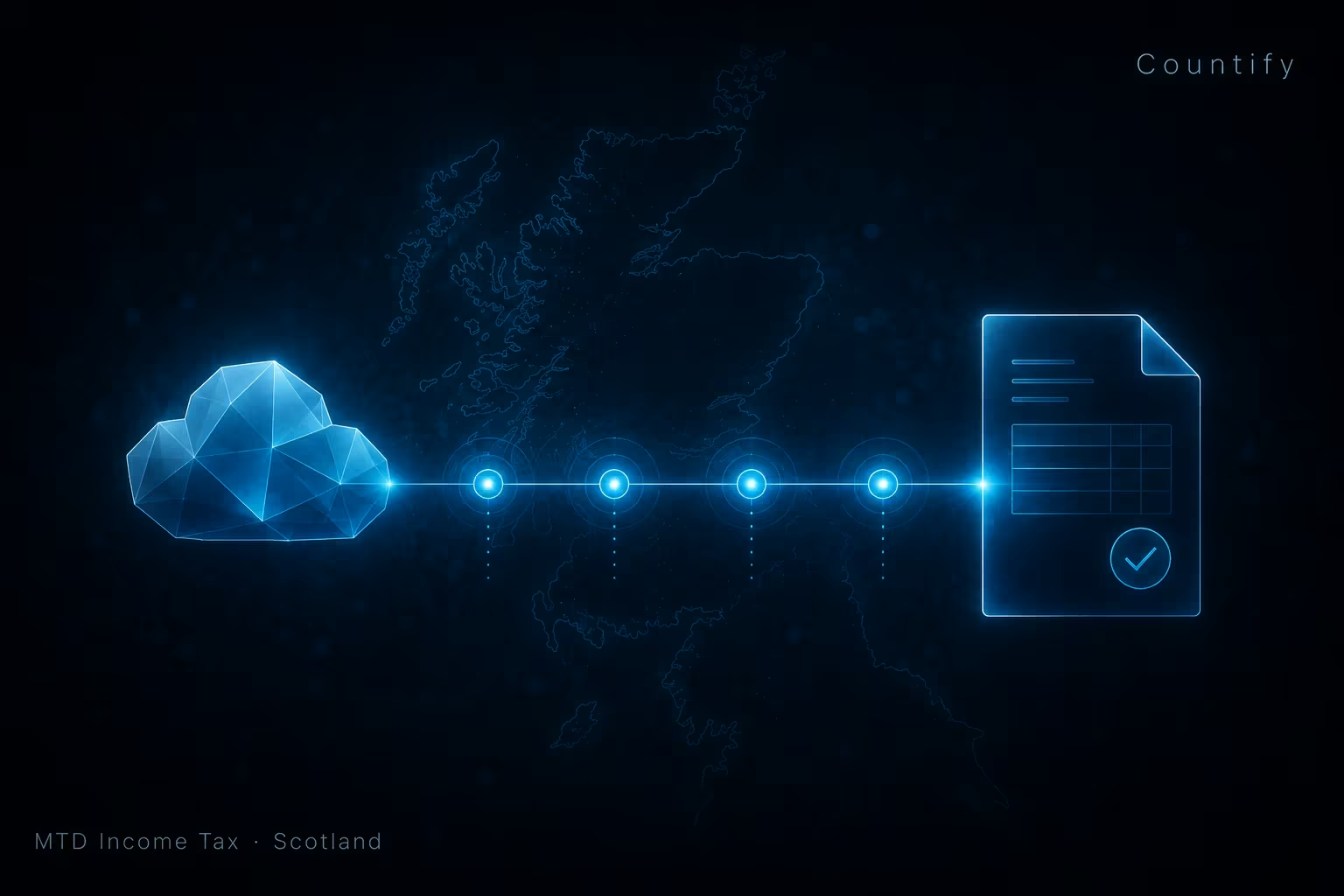
Making Tax Digital for Income Tax Self Assessment requires sole traders and landlords with qualifying income above £50,000 to file quarterly digital updates from April 2026. For Scottish sole traders, the same MTD obligations apply — but the income reported through MTD is ultimately taxed at Scottish rates, making the annual tax calculation different from the rest of the UK.
MTD obligations for Scottish sole traders
Scottish sole traders in scope must maintain digital records, submit four quarterly updates each year summarising income and expenses, and file an annual final declaration. These requirements are the same as for English taxpayers. What differs is the tax liability calculated from those submissions, which uses Scottish income tax bands rather than UK-wide rates.
The threshold: £50,000 from April 2026
- April 2026: qualifying income above £50,000.
- April 2027: threshold reduces to £30,000.
- April 2028: further extension anticipated, details to be confirmed by HMRC.
Qualifying income is turnover from self-employment plus gross rental income — not profit. A Scottish builder earning £55,000 before expenses is in scope from April 2026 even if net profit is considerably lower.
How Scottish rates interact with MTD
Quarterly updates submitted through MTD software are essentially cumulative income and expense summaries. The tax liability is only finalised at the annual declaration stage, when personal allowances, reliefs, Scottish residence status, and all income sources are brought together. Scottish taxpayers will see their final liability calculated at Scottish rates — including the 42% higher rate above £43,662 rather than the UK 40% rate above £50,270.
Choosing MTD-compatible software
Xero, QuickBooks, and FreeAgent are all MTD for Income Tax compatible and work for Scottish taxpayers. When choosing software, check that it handles Scottish tax codes correctly and that the accountant managing the submissions is familiar with Scottish rate adjustments in the final declaration. Not all software providers automatically flag the Scottish rate nuances.
Preparing now
- Confirm you are in scope based on your qualifying income for 2025/26.
- Choose and set up MTD-compatible software before April 2026.
- Establish a bookkeeping routine for capturing income and expenses digitally.
- Ensure your accountant is aware of your Scottish taxpayer status.
Countify's Making Tax Digital service in Edinburgh covers MTD set-up, quarterly submissions, and the final declaration for Scottish sole traders across Scotland.